
In the operating theatre
You can't pause, rewind or repeat a real operation.
Surgeons learn by doing, but operating time is scarce and every patient matters. That leaves few safe chances to rehearse a complex procedure before doing it for real.
 Book a demo
Healthcare technology company
We build virtual reality and AI tools that let surgical teams rehearse operations safely, and help clinicians and educators understand how a child pays attention, learns and responds.
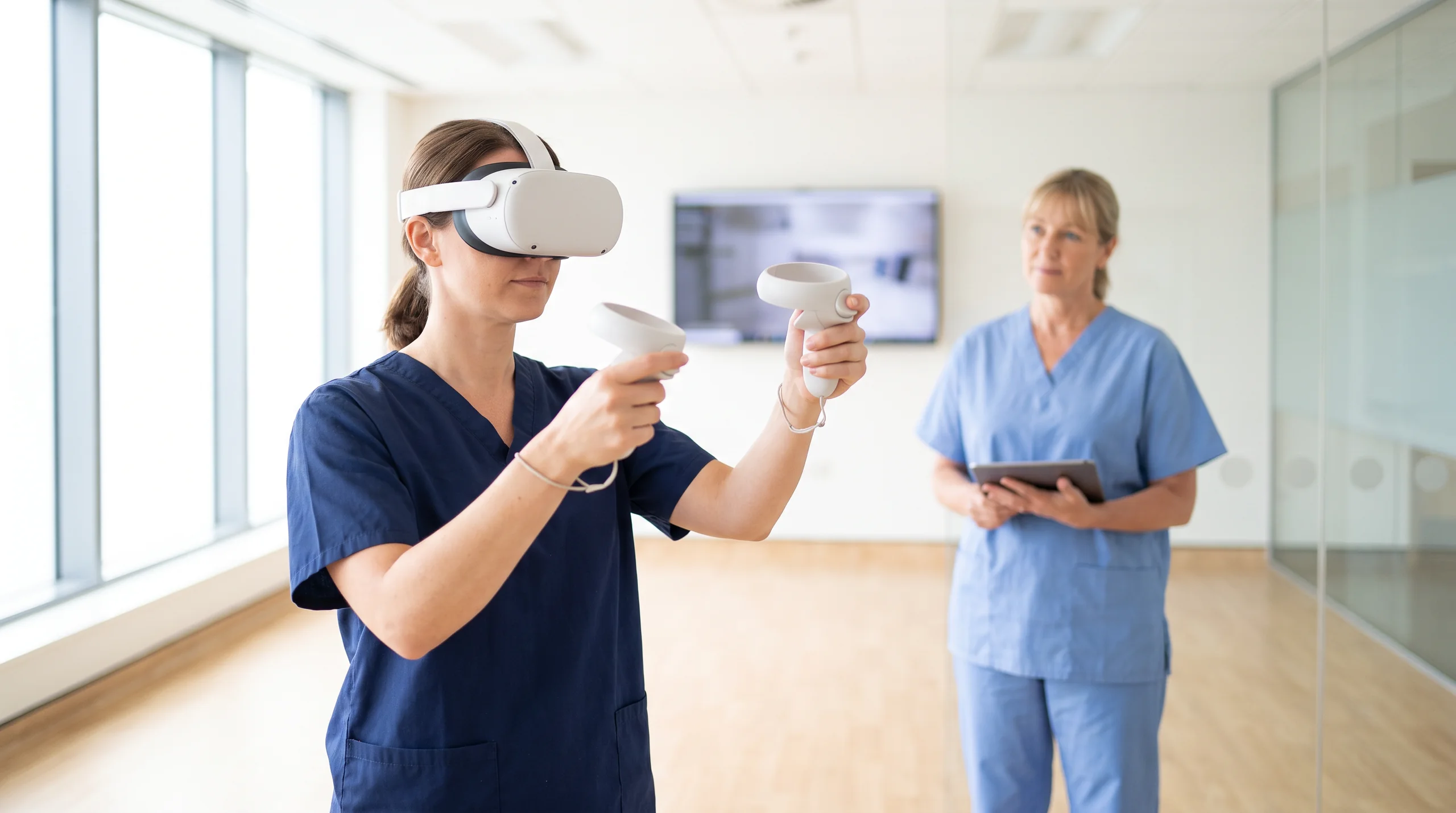
Surgical training in virtual reality. Trainees rehearse operations in a virtual operating theatre, as often as they need.
How Incisio works →Behavioural assessment in virtual reality. Short, game-like activities show how a child pays attention, remembers and learns.
How HalaraXR works →Built with and backed by
01The problem
In the operating theatre
Surgeons learn by doing, but operating time is scarce and every patient matters. That leaves few safe chances to rehearse a complex procedure before doing it for real.

For children and families
Across the UK, demand for assessments has far outgrown the number of specialists. While a child waits, families get little support and schools lack objective information about what the child needs. And the assessment itself rests on questionnaires and short clinic appointments, which capture only a snapshot of a child's behaviour.
Different rooms, same difficulty: the moments that matter most are hard to repeat and hard to measure.
02Our answer
AI coaches the trainee during a procedure, and turns what happened in each session into feedback and reports that people can act on.
No theatre to book and no patient at risk. A trainee puts on a headset and practises. A child plays a few short, familiar activities.
A VR headset costs far less than a physical simulation suite, and a session can be repeated as often as needed, so the same budget reaches more people.
Why virtual reality
Reading about a procedure is not the same as doing it. In a headset, people can do it, safely, as many times as it takes.
Step into lifelike scenarios, from routine clinical procedures to critical situations.
Repeat a skill until it feels instinctive.
Progress at your own pace in a calm, risk-free setting.
Train without limits of place or schedule.
03Flagship product one
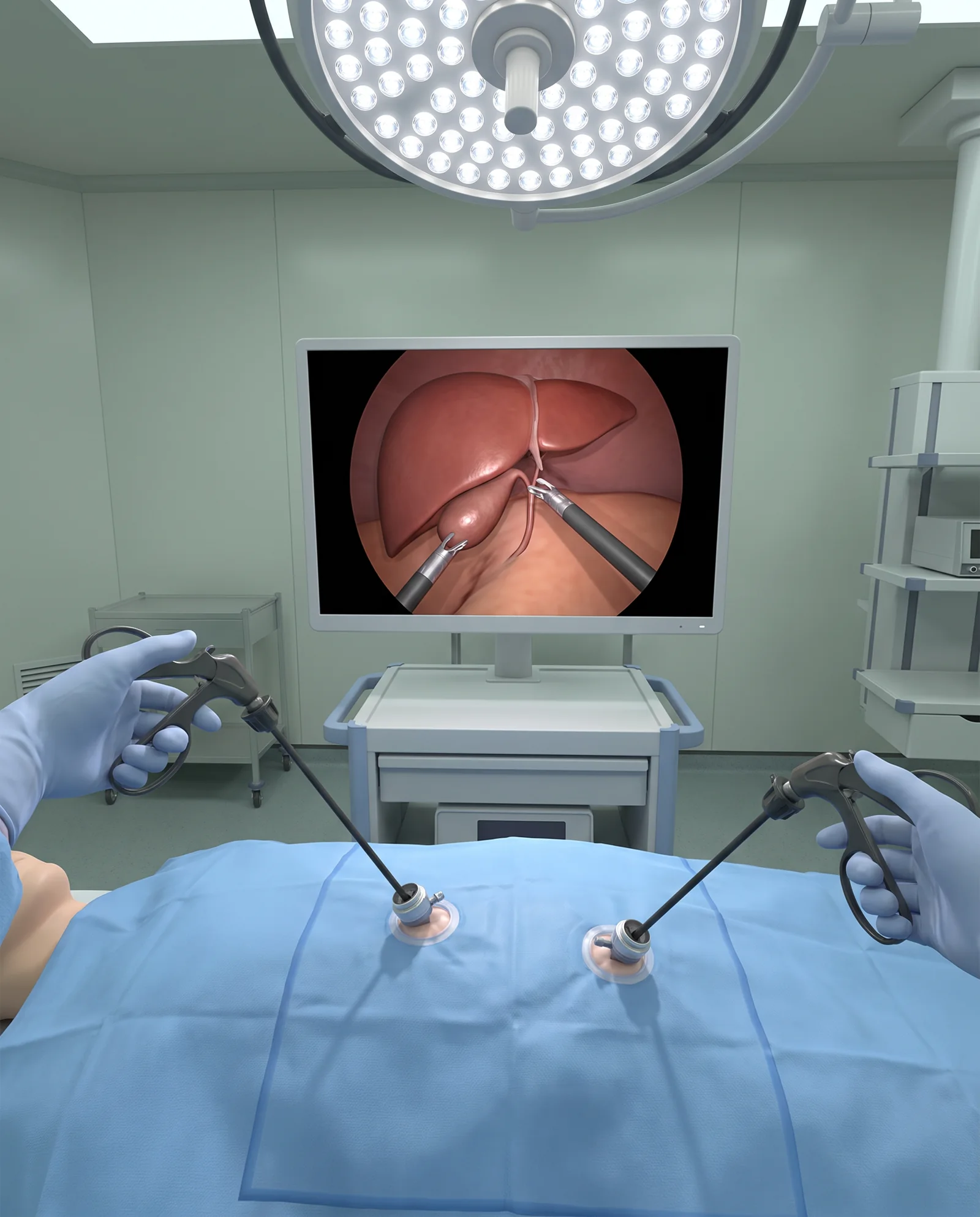
Incisio is surgical training in virtual reality. Trainees step into a virtual operating theatre and rehearse complex procedures as many times as they need, before a patient is involved.
How a session works
 Concept visual
 Concept visual
FeedbackConfirm the key safety check before moving on. You paused here on two of three attempts.
The trainee is standing in a full operating theatre: table, team and instruments, all laid out to match medical protocols.
They work through the operation step by step, from routine cases to critical situations, making the decisions a real procedure demands.
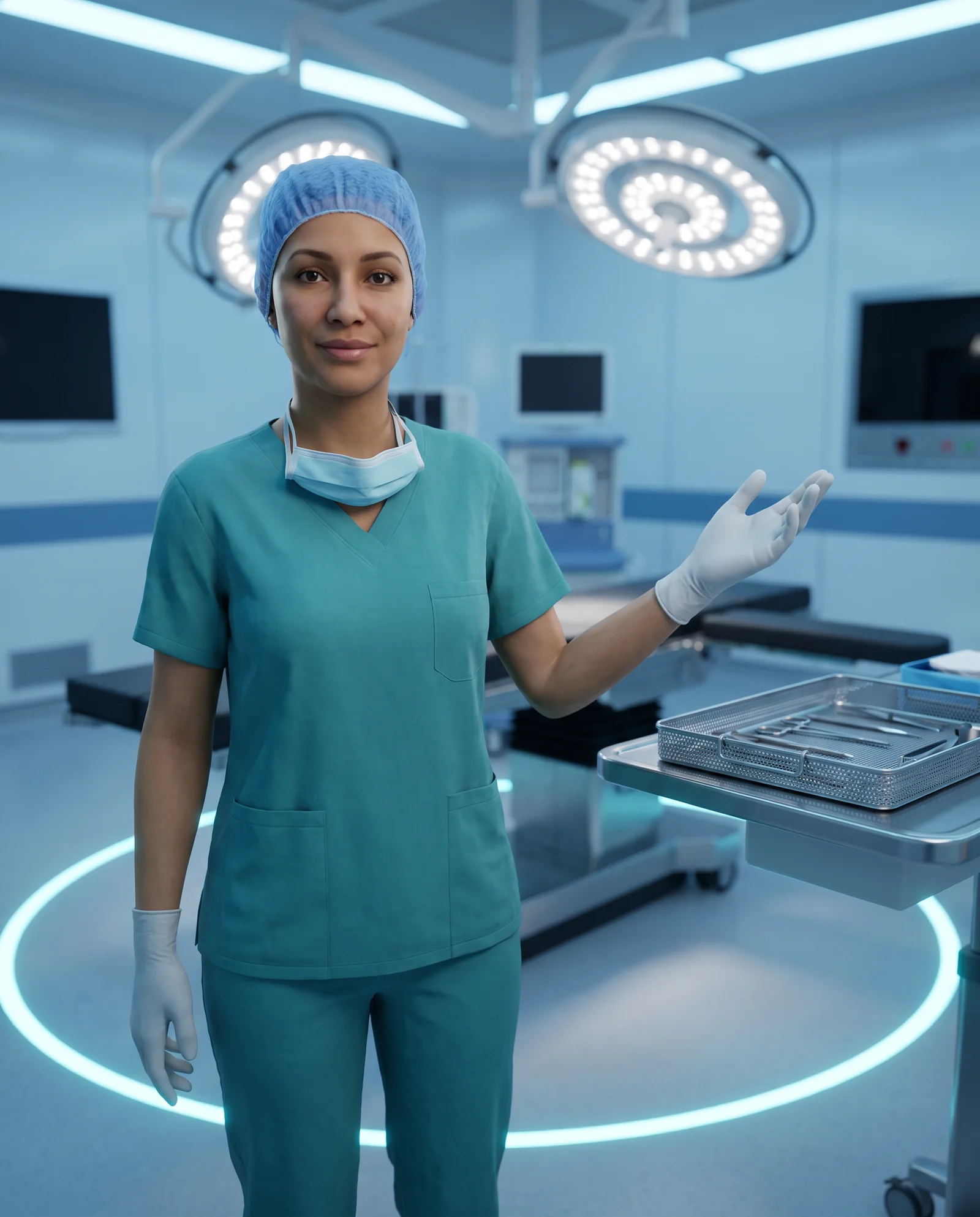
Concept visualAn avatar inside the headset talks with the trainee, offering prompts, cues and guidance that reinforce every step.
Concept visualEvery action and decision is tracked. The feedback shows the trainee what to improve, and lets practitioners follow their own progress over time.
FeedbackConfirm the key safety check before moving on. You paused here on two of three attempts.
In practiceThe Virtual Operating Theatre was developed and piloted with University College London Hospitals.
04Flagship product two
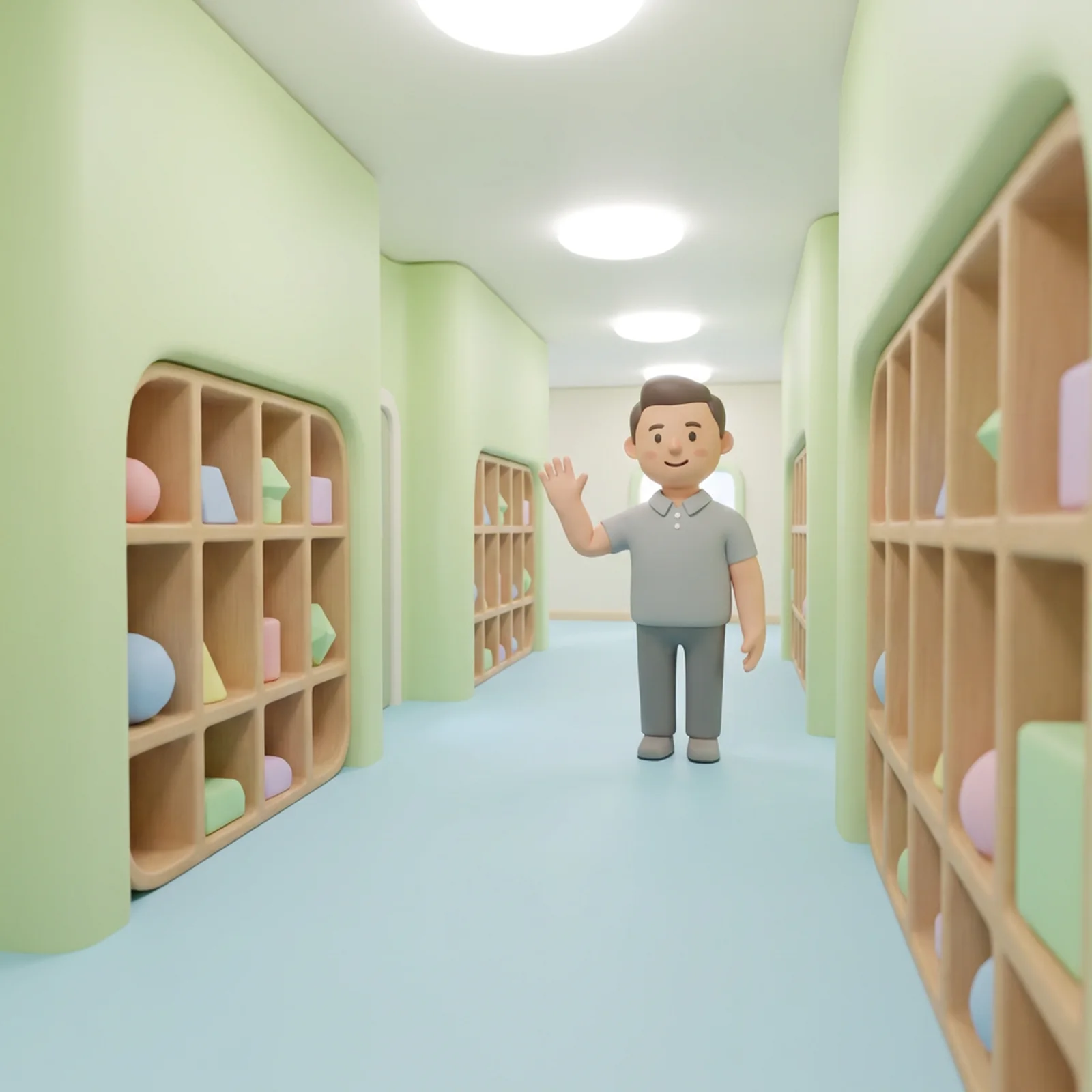
HalaraXR helps clinicians and educators understand how a child pays attention, remembers, learns and reads social cues. The child plays four short activities in a VR headset, and machine-learning analysis highlights behaviour patterns associated with neurodevelopmental conditions such as autism and ADHD.

Pop the golden bubbles. Leave the clear ones.
What the child does
Every child completes the same activities, so behaviour is captured the same way each time.
The child spots target bubbles in a park. This shows how well they hold their attention and how consistently they respond.

The child packs the right items for an everyday situation. This shows working memory and recall.

The child makes choices and solves simple problems. This shows how they approach learning.

The child meets a character and responds. This shows how they read spoken and unspoken cues.
Short Familiar Interactive
What the professional gets
HalaraXR supports the professionals around a child. It is designed to inform their decisions, not to replace clinical judgement. Its development is funded by the NIHR.
Log in to the HalaraXR dashboard05What we build
Incisio and HalaraXR are designed and built by one team, from the same six building blocks. More projects are in research and development.
Realistic 3D environments built in the Unity engine, from operating theatres matched to medical protocols to everyday scenes a child recognises.
An avatar inside the headset that talks a trainee through a procedure with prompts, cues and guidance.
Actions, decisions, reaction times, gaze and head movement, captured while the session runs.
Models that turn the raw signals from a session into patterns a professional can read and act on.
A web dashboard to set up and monitor sessions as they run, with a structured report generated at the end.
Built with clinical and educational advisors and piloted with hospital teams, so the simulations match real practice.
Have a training or assessment problem that immersive technology could solve? Talk to us
06Track record
Cogniverse began at UCL's Global Business School for Health. HalaraXR is funded by the NIHR, the UK's National Institute for Health and Care Research, and our Virtual Operating Theatre was piloted with University College London Hospitals.
Born out of UCL's Global Business School for Health
Winner of UCL's Dragons' Den for healthcare innovation
Virtual Operating Theatre developed and piloted with UCLH
HalaraXR funded by the NIHR
Part of the NHS Clinical Entrepreneur Programme
Built with and backed by leaders in healthcare
07Where we are going
Our vision
To create immersive, accurate and effective learning experiences for practitioners.
To make high-quality simulations available across regions and communities.
To continuously explore new ways AI and VR can enhance medical training.
Our mission
To use the power of virtual reality to give medical teams a practical and safe way to train.
To design training that can be used anytime, anywhere, by professionals worldwide.
To integrate AI into our tools to improve patient care and safely personalise learning.
Our values
Evidence-based simulations, built to strengthen real-world medical skills.
AI that adapts to match every learner's specific needs.
High-fidelity medical training for professionals everywhere.
Evolving AR and VR tools to keep learning effective and relevant.
Group scenarios that build teamwork and coordinated decision-making.